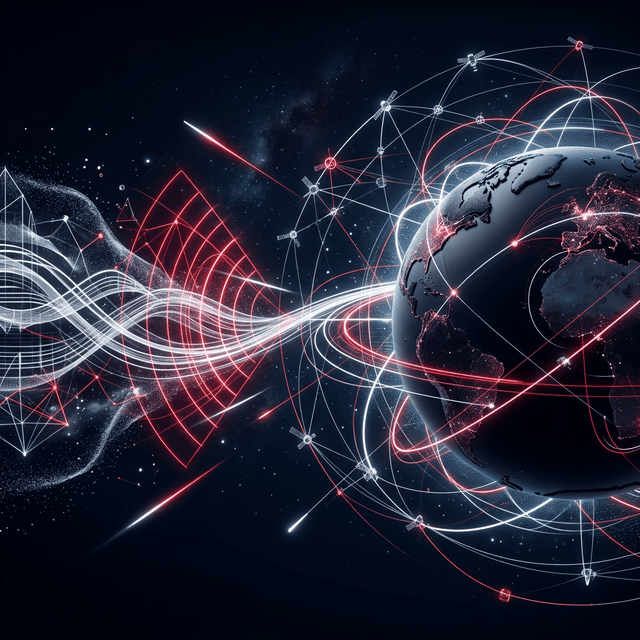
Research to
Operations
Translating physics-based research into operational capabilities for space domain awareness, remote sensing, satellite science, and environmental intelligence.
Remote Sensing and Satellite Operations
Expertise in SAR exploitation, satellite operations, ground systems, and radiative transfer science.
Space Weather
Delivering resilient space architectures through advanced space-hazard modeling, forecasting, and defensive research.
Environmental Research and Forecasting
Operational environmental intelligence across oceans, severe weather, and air quality for defense and government missions.
Remote Sensing and Satellite Operations
Remote Sensing Life-cycle Support and Ground Systems
Combined expertise in remote sensing science and software development that supports cutting-edge satellite systems through R&D, mission and sensor design, ground system development, product development, launch, operations, and calibration/validation.
Remote Sensing Ground Processing Systems
High performance, reliable, secure ground processing systems for advanced satellite sensors and payloads.
Advanced Algorithms and Radiative Transfer
Scientifically advanced algorithms trusted by NASA, NOAA, DoD, and commercial customers, grounded in physics and optimized using AI.
Mission Design and Simulation
Ensuring your mission delivers critical environmental intelligence through optimization of every component of the space, payload/sensor and C3 and ground segments.
Relevant AI Platforms
Space Weather
Resilient Space Architectures and Hazard Prediction
The space weather division strengthens resilient and survivable space architectures by providing advanced space-hazard modeling, forecasting, and defensive research that enable hardened systems, ensure continuity of operations, and support informed response to natural or adversarial threats. In line with emerging defense priorities, the SAAINT product incorporates AI-enabled analytics and rapid anomaly detection to help safeguard satellites from increasingly complex space-weather-driven disruptions.
Space Situational Awareness
The space weather division integrates cutting-edge sensing technologies with sophisticated data processing and environmental modeling, to directly enhance the nation's ability to monitor the space domain, attribute threats, and ensure safe and reliable satellite operations.
Space Weather Hazards
Strengthens resilient and survivable space architectures by providing advanced space‑hazard modeling, forecasting, and defensive research that enable hardened systems, ensure continuity of operations, and support informed response to natural or adversarial threats. In line with emerging defense priorities, the SAAINT product incorporates AI‑enabled analytics and rapid anomaly detection to help safeguard satellites from increasingly complex space‑weather–driven disruptions.
Space Environment and Effects Tool (SEET)
The Space Environment and Effects Tool (SEET) is an advanced add-on to Ansys (Synopsis') System Tool Kit (STK) that models the near-Earth space environment and predicts its impacts on spacecraft. It brings together radiation, particle flux, meteoroid and debris, magnetic field, and thermal environment models to give mission designers a comprehensive picture of the conditions a satellite will encounter in orbit. These capabilities ensure spacecraft are designed to perform reliably in the full range of environmental conditions found in space.
STK Space Environment and Effects Tool (SEET) Capability
Feature and capability list coming soon.
Relevant AI Platform
SAAINT — Space Domain Awareness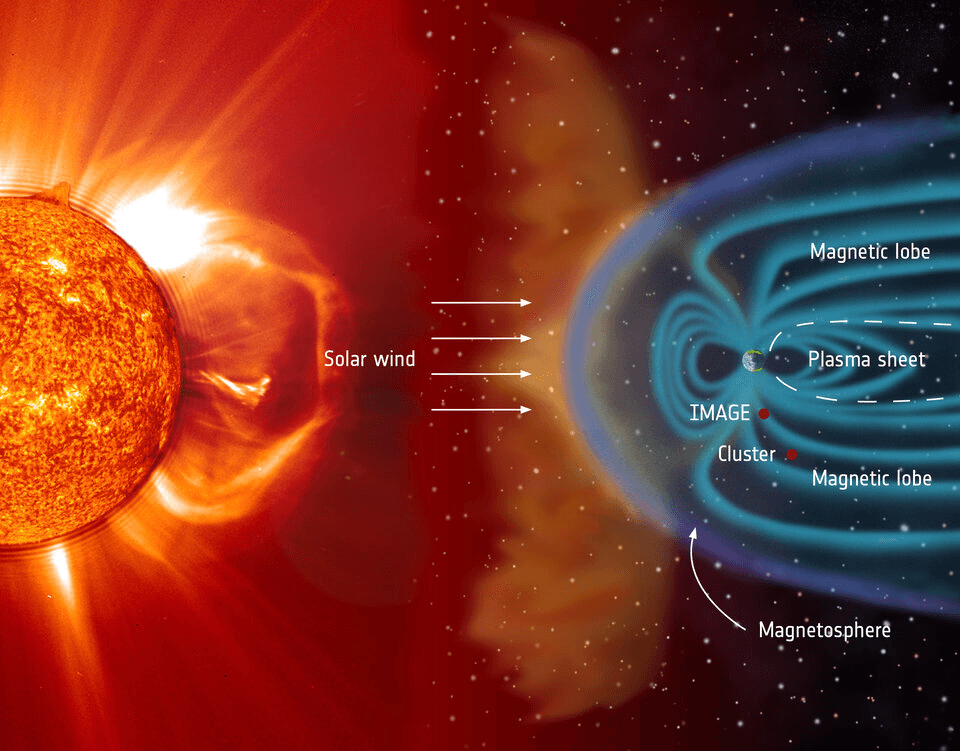
Environmental Research and Forecasting
Advancing Environmental Intelligence for Defense and Government Missions
Delivering operational environmental intelligence across ocean systems, severe weather prediction, and atmospheric composition monitoring. Our physics-based models and satellite-derived data products enable commanders and decision-makers to anticipate environmental impacts on operations, force protection, and logistics.
Oceans and Coasts
Ocean modeling, coastal dynamics simulation, and sea-level analysis delivering critical environmental intelligence for Naval operational planning, maritime domain awareness, and littoral force protection.
Clouds and Severe Weather
Cloud physics research, severe weather prediction, and convective modeling that enhance operational environment forecasting for mission planning, flight operations, and force readiness across all domains.
Air Quality
Air quality modeling, atmospheric dispersion analysis, and satellite-based composition monitoring supporting operational environment prediction, CBRN hazard assessment, and regulatory compliance for defense installations.
Relevant Platform
FLOODSCAN — Satellite Flood Mapping